One thing I’ve learned through all of my work is that even the most intimate ecological knowledge will only get us so far without understanding how our individual interests are interdependent as opposed to being in conflict. That requires understanding each other, including those with whom we disagree.
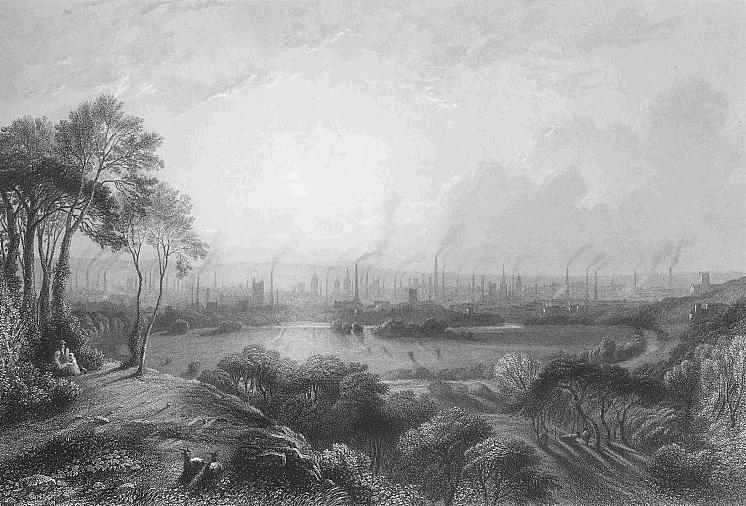
By "Trumponomics," I mean an unrestrained commitment to policies of drill it, pump it, burn it, cut it down, dig it up, pave it over, buy it, consume it, and if it threatens to slow growth, then run over it or bomb it.
My guess is that if you were not keeping on, at least to some degree, you would not be reading this piece. Perhaps we are all fools, but let’s think about it.
To understand that we live in a world in which relationships are more fundamental than tiny, individual bits of matter is revolutionary in its implications.
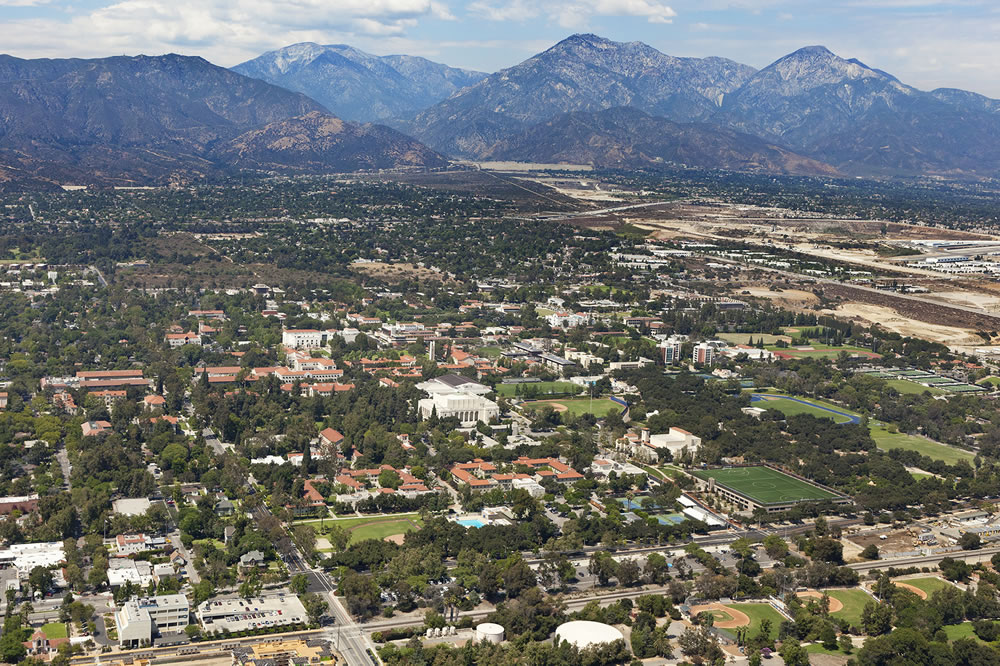
Devon Hartman is a Claremont-based architect and co-founder of CHERP (Community Home Energy Retrofit Project), which he designed to form collaborative partnerships with community organizations, contractors, and cities to promote sustainable building practices.
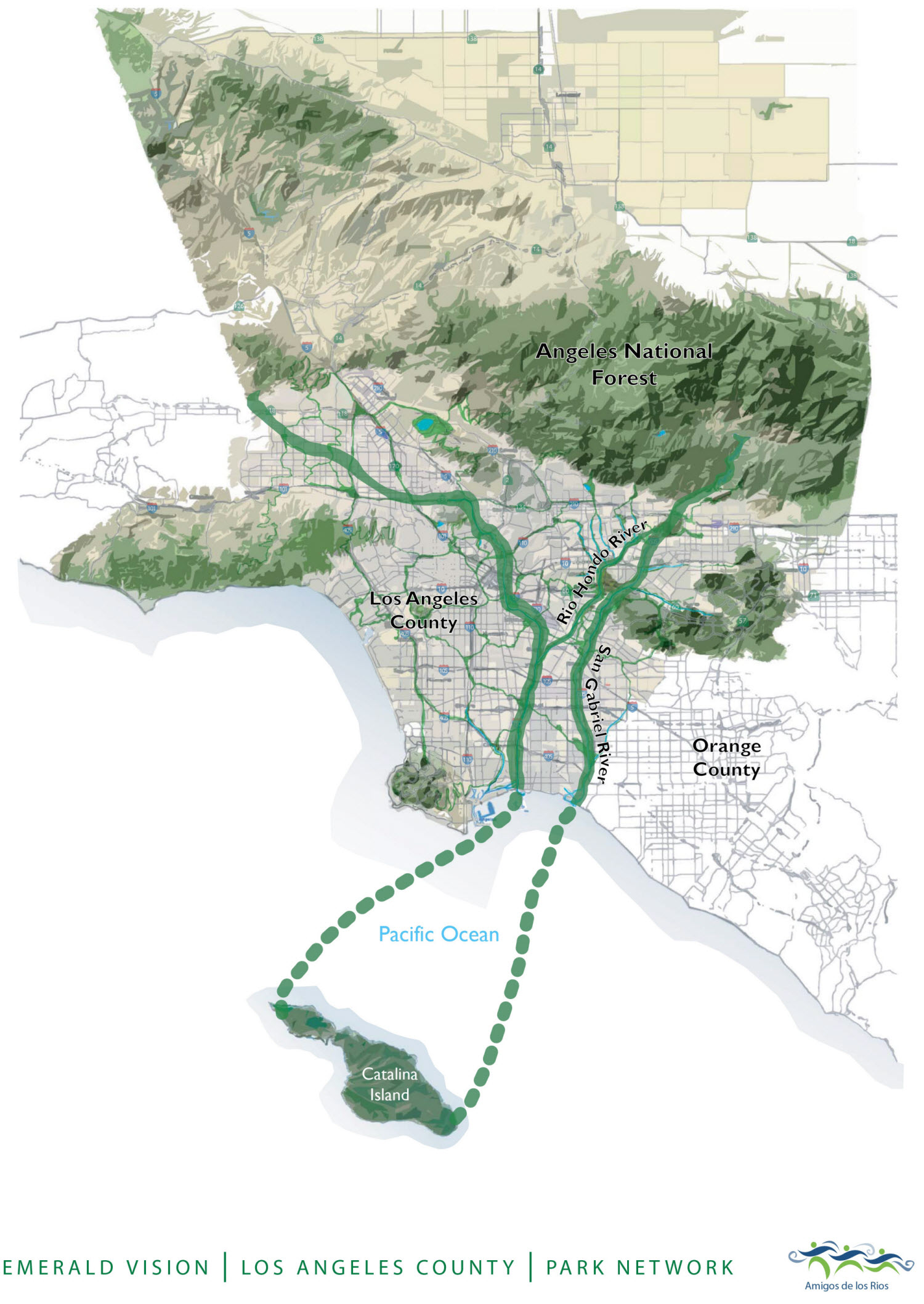
John Cobb, Jr. prepared these comments for the inaugural docent training program of the Amigos de los Rios Emerald Necklace initiative, a “necklace” of parks and green spaces populating the great watersheds of the Los Angeles region about which docents will be trained. The docent training program is developed in collaboration with Pando Hubs.
Mark Dibbens is a professor of management at the University of Tasmania in Australia, where he focuses on the Philosophy of Management—a field with compelling relevance to ecological studies and environmentalism. Pando Blog editor Kevin Madden spoke with Mark over Skype in August.
Claudia Pearce is an author, journalist, and activist based in Southern California. Pearce is involved with developing Huerta del Valle‘s gardens and founding Pando Hub projects there and at the Natural Ivy Foundation in Koreatown.
I proposed that we view Western history, after the fall of Rome, in terms of three periods distinguished by the deepest level of loyalties and the ways people understood themselves: Christianism, nationalism, and economism. Perhaps economism might now give way to "Earthism." Let's work for that.