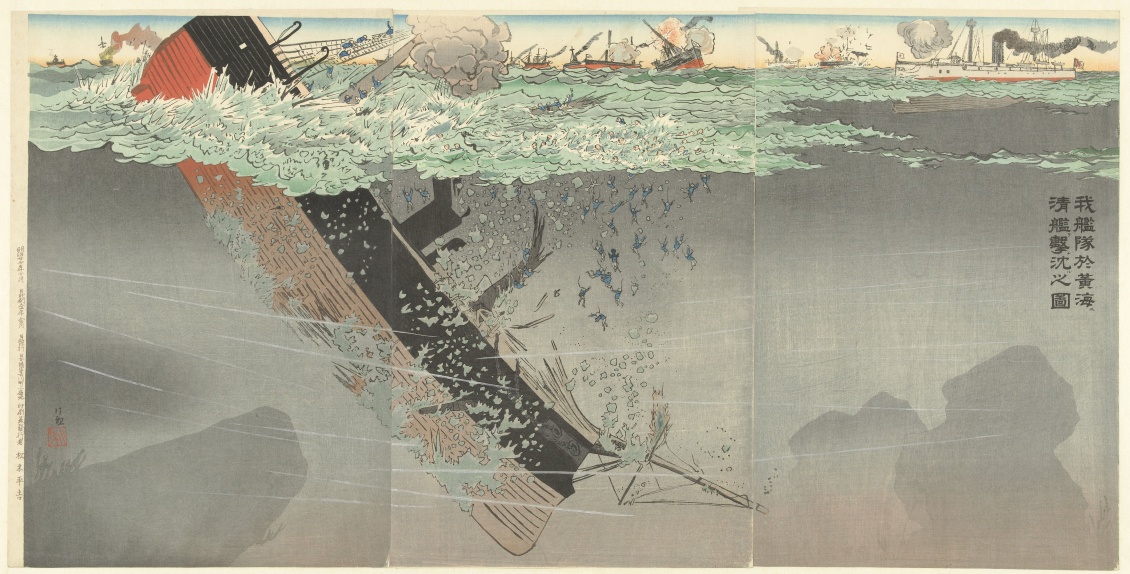
Corporate Rules (and Nations)
"When Corporations Rule the World" is a powerful book title from the '90s which I can't help but reference when I read about much that is happening.
/ May 22, 2015
"When Corporations Rule the World" is a powerful book title from the '90s which I can't help but reference when I read about much that is happening.
/ May 22, 2015
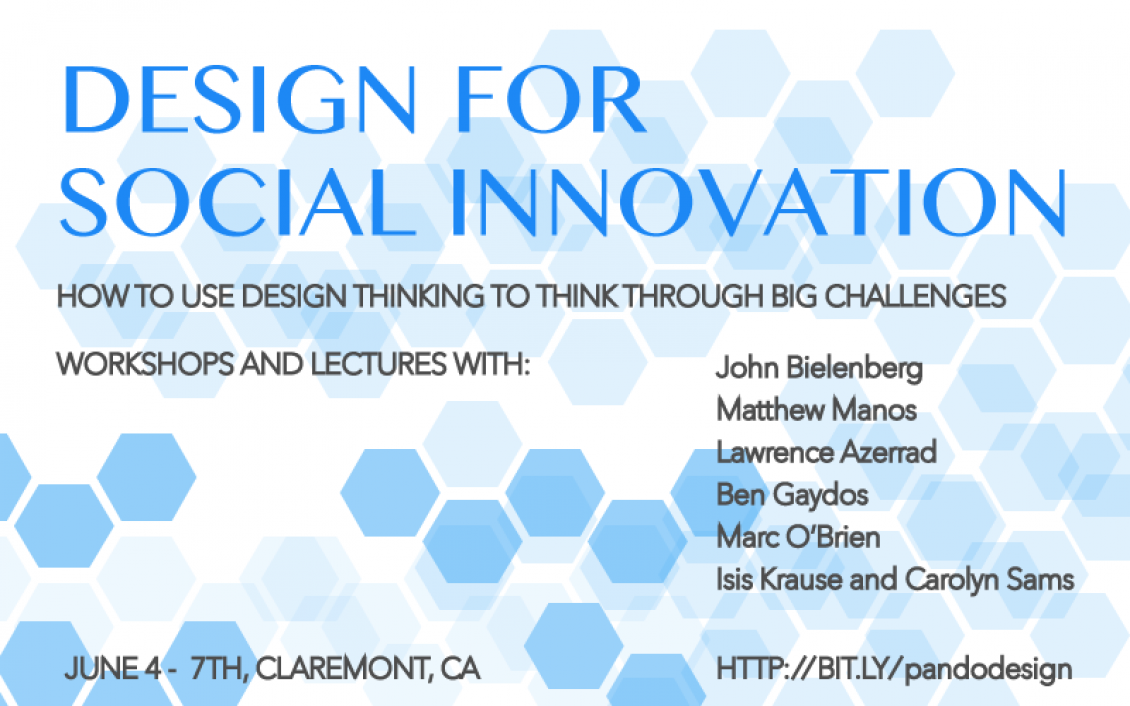
Thinking wrong can change the world. -- John Bielenberg
/ May 22, 2015

Dowd writes, “When religion fails, economics is unbounded by even the crudest requirements to protect nature’s life support systems. When religion fails, economics becomes demonic.”
/ May 22, 2015

My point is that even if the solution to the problem of global warming lies at hand, it cannot easily be seized. Our family lives, our educational system, and our religious teaching would have to change too.
/ May 14, 2015

While the influence of linear perspective on Renaissance architecture and European cities is well understood and obvious, its influence on Western science and how we see ourselves in relationship to the natural world is less known but deep.
/ May 13, 2015

Providing more services to an increasing population can only be met if those with enough voluntarily decide to give what they really don’t need to support the many who have too little.
/ May 13, 2015
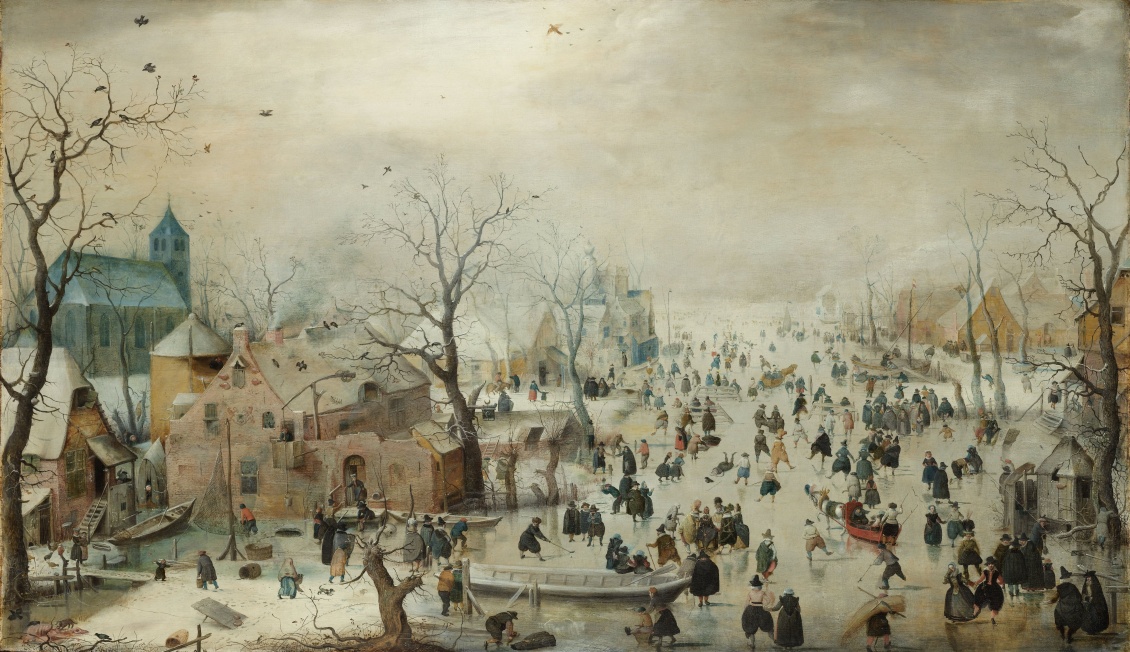
The Earth is typically thought of as nothing but stuff -- an idea so commonplace that it’s hard to imagine it having any kind of history at all. It's “just the way the world is.”
/ May 6, 2015

The very act of being creative is a kind of defiance of the dominant, deterministic model that shapes the university and so much of the world.
/ April 24, 2015
If the natural sciences adopt a more inclusive worldview -- one that does not deny the role of values and meaning in the world and that can do justice to more of the scientific evidence -- we will be in a much better position to respond wisely to our crises.
/ April 24, 2015
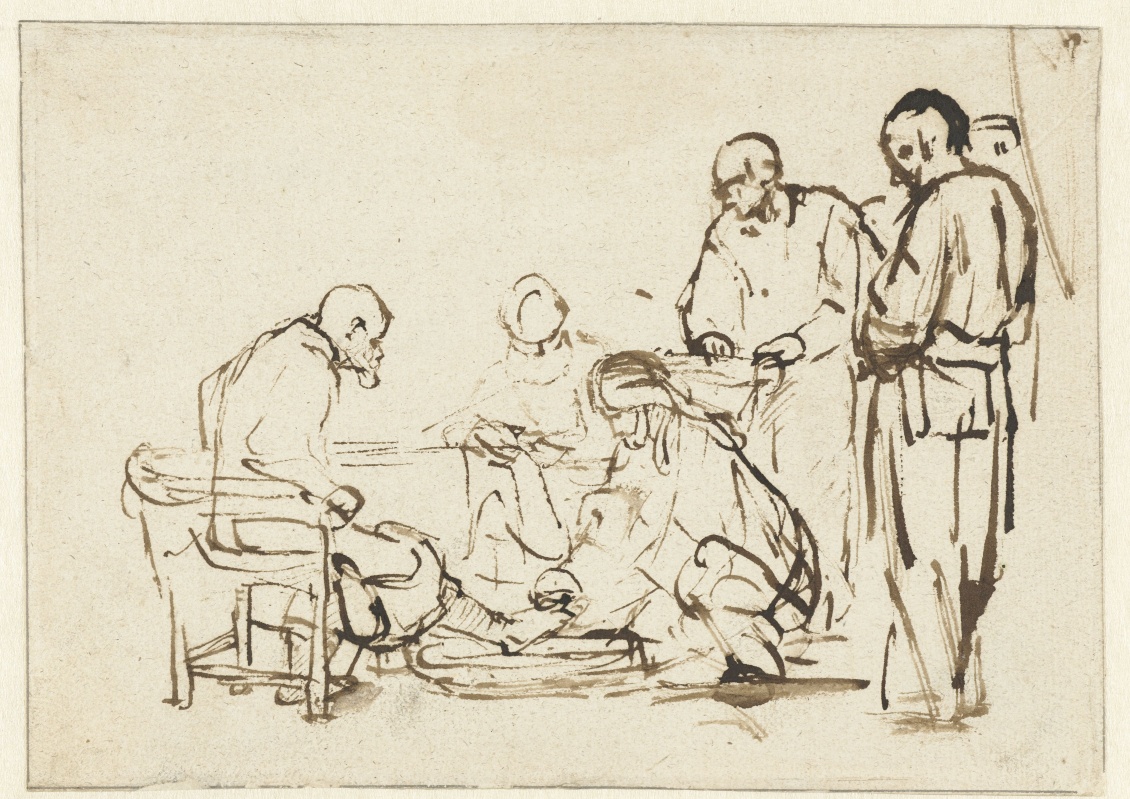
Jesus called for a fundamental shift from the service of money to the service of God. “Repent, for the Kingdom of God is at hand.” I translate Jesus’s message into “Seize an Alternative: An Ecological Civilization Is Possible.”
/ April 22, 2015

The conference should be of keen interest to those teachers who have been concerned that in a time of desperate crisis, the vast majority of so-called “education” proceeds as if the only matter of importance was the production of value-free scholarship and proper credentialing for service to the economy that is destroying the ecosystem.
/ April 19, 2015

The entire conference is about ethics in the broad sense. It is seeking to define what we should be working for and how this can be done in many contexts and areas of life.
/ April 19, 2015